When you’re responsible for a commercial property, roofing decisions hit a different level. You want something tough, clean-looking, and built to keep your building protected for years—not something that drains your budget or your patience. That’s why so many property owners are leaning toward TPO flat roofing these days. It’s simple, dependable, and fits the real-world needs of busy commercial spaces. Around here, we’ve seen this system deliver great performance in heat, storms, and daily wear. It’s the kind of roofing that works quietly in the background while your business runs up front.
In this guide, we’ll break down how it works, why it’s popular, and whether it’s the right match for your building.
What is TPO Flat Roofing?
Before comparing materials or pricing, it helps to understand what makes TPO flat roofing such a standout. TPO (Thermoplastic Polyolefin) is a single-ply membrane designed for modern commercial flat roofing systems that require strength without unnecessary weight.
Here’s what defines it:
- A bright, efficient surface that often acts as white reflective roofing
- Flexible, durable single-ply roof membranes that resist tears and punctures
- Compatibility with most commercial building roof systems
Many owners also explore TPO vs EPDM roofing discussions. TPO frequently stands out for its cooling performance and installation flexibility. If you’re reviewing flat roof replacement options, this material deserves a spot on the shortlist thanks to its balance of lifespan, performance, and manageable installation timelines.
Benefits of TPO Single-Ply Roofing
Before choosing any material, let’s talk about the everyday advantages of TPO flat roofing from a building-owner perspective. When people talk about TPO roofing benefits, it usually covers the same big three: savings, strength, and simplicity.
Cool, Clean, Energy-Saving Performance
Because it acts like white reflective roofing, the system improves energy-efficient roofing results all year. Cooling costs drop, indoor spaces stay more comfortable, and the roof works with your HVAC instead of against it. In hot regions, this alone can make TPO worth the investment.
Built for the Demands of Commercial Spaces
Its single-ply roof membranes flex with temperature changes and resist impact. That’s why it fits many commercial flat roofing systems without major adjustments. Combined with long-lasting roof materials, TPO gives you reliability without fuss.
Budget-Friendly and Practical
The overall cost of TPO roofing is often lower than alternatives, while still offering serious durability. When comparing TPO vs EPDM roofing, many property owners like the blend of lifespan and energy savings TPO provides.
Great for Upgrades and Replacements
Older commercial buildings often benefit from TPO when reviewing flat roof replacement options. Its adaptability and ease of installation make upgrading simpler and faster.
TPO Roof Installation Process
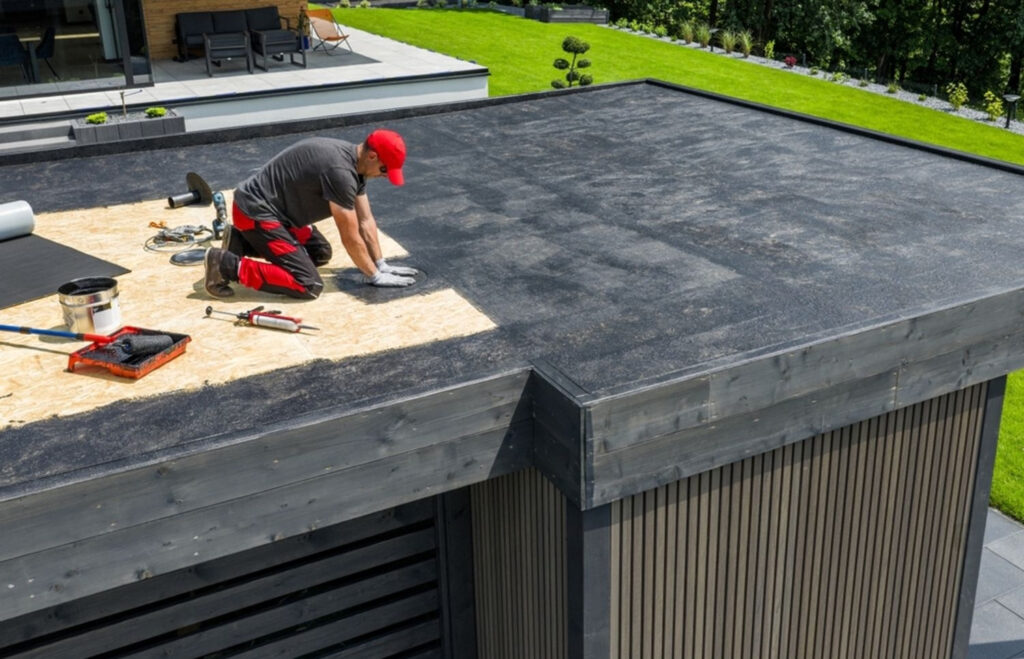
When we handle TPO roof installation, we treat your building with the same care we’d use on our own property. The goal is straightforward: a durable system that’s sealed, secured, and ready for long-term performance.
Here’s how the installation usually goes:
1. Roof Preparation
We inspect the surface, remove debris, and repair any weak areas. This step sets up your commercial building roof systems for a clean, strong foundation.
2. Insulation for Energy Performance
Adding insulation supports energy-efficient roofing and helps regulate indoor temperatures.
3. Installing the Membrane
We roll out sheets of TPO single ply material across the roof and secure them. These single-ply roof membranes form the system’s protective base.
4. Heat-Welding the Seams
Our installers heat-weld each seam to create a watertight seal. This method boosts the TPO roofing benefits and keeps the system tight and clean.
5. Final Checks and Clean-Up
We verify edges, drainage, and connections to guarantee long-lasting roof materials and reliable function.
Whether it’s a new build or a replacement project within larger commercial flat roofing systems, this process is designed for efficiency and protection.
FAQs About TPO Roofing
1. Does TPO work for large buildings?
A. Yes. It’s ideal for wide commercial building roof systems that need simple, strong coverage.
2. What’s the lifespan?
A. With good care and long-lasting roof materials, TPO can last decades.
3. Is it energy-friendly?
A. Absolutely. It counts as energy-efficient roofing due to its reflective surface.
4. How does TPO compare to EPDM?
A. TPO and EPDM both work well for commercial roofs, but they perform differently. EPDM is known for its long-term durability, while TPO offers stronger heat reflection and energy savings thanks to its bright, reflective surface. If your building experiences high temperatures or heavy sun exposure, TPO often becomes the more cost-efficient and cooling-focused choice.
5. What affects the cost?
A. The cost of TPO roofing depends on roof size, membrane thickness, prep needs, and insulation choices.
The Modern Single-Ply System Commercial Buildings Trust
If you’re looking for a system that keeps your building cooler, cuts down energy bills, and handles rough weather without constant attention, TPO flat roofing is a smart choice. It blends durability, cost savings, and long-term performance into one clean package. Property owners who switch to TPO flat roofing often enjoy fewer headaches and stronger overall protection. To explore whether TPO flat roofing fits your next project, reach out today and contact us for expert help and a free inspection.