
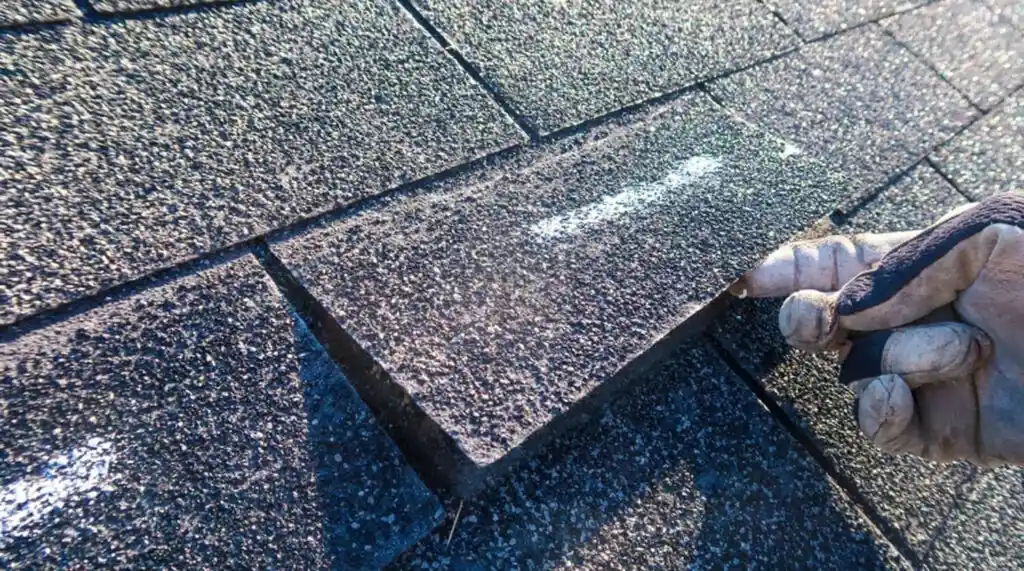
When the skies clear after a thunderstorm in Georgia, homeowners often feel relief—until they notice the storm may have left more than puddles and debris behind. Roof damage after a storm in Georgia is a challenge many families face, and catching it early can make all the difference between a quick repair and a costly overhaul. The tricky part? Damage isn’t always obvious. From missing shingles scattered in the yard to faint water stains creeping across ceilings, the warning signs can be subtle and easy to overlook.
That’s why Georgia residents turn to Atlas Roofing & Renovations, a trusted local roofing contractor known for restoring peace of mind after severe weather. Our team has seen it all—hail dents, wind-torn shingles, hidden leaks—and we know exactly how to spot issues before they spiral out of control.
In this guide, we’ll show you what to check after a storm, when to bring in professionals, and how Atlas Roofing can keep your home protected year-round.
Why Storm Damage Roof Repair Matters
Georgia is no stranger to powerful winds, hail, and heavy rains. Each season brings unpredictable weather, and your roof stands as the first line of defense. Ignoring roof damage after a storm in Georgia can quickly lead to bigger problems:
- Water intrusion that causes mold or rot.
- Structural weakening of rafters or decking.
- Higher energy bills from compromised insulation.
- Decreased property value when it comes time to sell.
A small leak may seem harmless, but it can turn into a costly disaster if left untreated. That’s why storm damage roof repair is more than just patching shingles—it’s safeguarding your family and investment.
If you’ve ever searched for an emergency roof inspection or asked a friend about a roofing contractor near me, you already know how common post-storm issues are in the state. Addressing them right away helps prevent long-term headaches.
Common Signs of Roof Damage After Severe Weather
Not all damage is obvious. Sometimes shingles are scattered across your yard, but other times the harm is sneaky and easy to miss. When you inspect your home after a storm, keep an eye out for these warning signs:
1. Missing or Broken Shingles
High winds can rip shingles off completely or crack them down the middle. This type of wind damage roof often exposes the underlayment, leaving your home vulnerable to water.
2. Dented Gutters or Flashing
Hail doesn’t just batter cars—it can also dent metal components around your roof. If your gutters, flashing, or vents show pockmarks, it’s time to consider hail damage roof repair.
3. Granules in the Gutters
Shingle granules look like dark, coarse sand. After severe storms, they often wash off and collect in gutters. This loss of protection accelerates roof aging.
4. Stains on Ceilings or Walls
Indoor water stains are classic roof leak signs. Even if they’re small, they suggest hidden roof damage that needs immediate attention.
5. Sagging or Soft Spots
If parts of your roof deck feel soft underfoot, stormwater may have weakened the wood. This kind of structural issue should be addressed immediately with Georgia storm roof repair.
6. Hidden Roof Damage Signs
Not everything is visible to the untrained eye. Hidden roof damage signs can include small punctures, lifted shingles, or subtle flashing gaps. These issues are best identified during an emergency roof inspection by professionals.
7. Loose or Missing Flashing
Flashing around chimneys, skylights, and vents often suffers during storm season roofing. If it’s damaged, leaks are almost guaranteed.
8. Emergency Situations
In severe cases, you might need an emergency roof tarp service to protect your home until permanent repairs are made.
By carefully inspecting both the inside and outside of your home, you can spot many of these issues. But remember—an expert eye will catch what you might miss.
When to Call a Professional Roofing Contractor
Some Georgia homeowners feel tempted to grab a ladder and fix things themselves, but storm damage is often more complicated than it looks. Here’s when to pick up the phone and call a roofing contractor near me:
- After severe hailstorms: Even if your shingles appear intact, hail can bruise or crack them, weakening their lifespan.
- If you see roof leak signs indoors: Ceiling stains or musty odors require urgent storm damage roof repair.
- When shingles or flashing are visibly damaged, DIY patches usually won’t hold up long-term.
- During insurance claims: Filing insurance roof claims, Georgia requires accurate documentation from a professional roofer.
Calling experts for an emergency roof inspection ensures hidden damage isn’t overlooked. Plus, working with certified contractors helps streamline the insurance process, saving you stress and money.
Protect Your Home with Atlas Roofing & Renovations
Living in Georgia means storms will always be part of life—but lasting damage doesn’t have to be. Atlas Roofing & Renovations specializes in helping homeowners recover quickly and safely from severe weather.
- We offer emergency roof tarp service to protect your property immediately after damage.
- Our certified team conducts thorough emergency roof inspections to catch even the smallest issues.
- Whether it’s hail damage, roof repair, or full replacement, we provide long-term solutions.
- We guide homeowners through insurance roof claims, Georgia, making sure you get the coverage you deserve.
With years of local experience, we understand how storm season roofing affects Georgia homes. From tackling wind damage roof repairs to handling Georgia storm roof repair projects of all sizes, our mission is to keep families safe and dry.
Recap and CTA
Spotting roof damage after a storm in Georgia doesn’t have to feel overwhelming. Look for missing shingles, dents, leaks, or other hidden roof damage signs—and when in doubt, let the experts step in. With Atlas Roofing & Renovations, you’ll have a trusted partner for storm damage roof repair, inspections, and insurance claims. Protect your home and peace of mind today. Contact us to schedule your inspection—we’re ready to help when you need us most.