
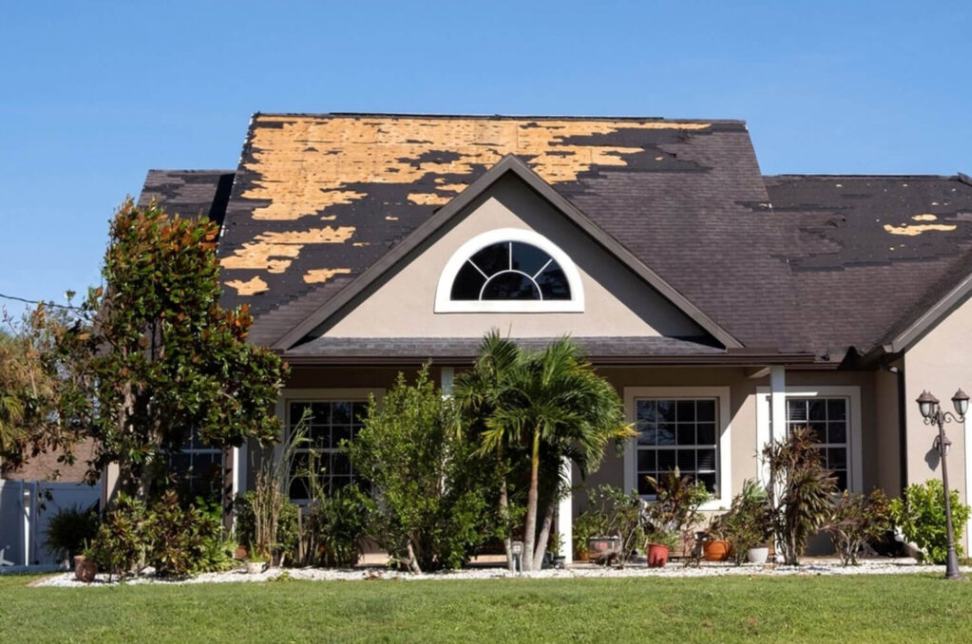
When storm clouds roll in across Georgia, your roof takes the brunt of Mother Nature’s mood swings. But not all roof damage looks — or acts — the same. Many homeowners confuse the effects of hailstorms with the chaos caused by high winds, and that’s where costly mistakes can happen. Knowing the difference in hail damage vs. wind damage roof issues can save you from paying for the wrong repairs or filing the wrong claim. That’s why Atlas Roofing & Restorations is here to help you understand the signs. Today, we’ll break down how to spot each type, when to call for help, and why an inspection could be the smartest post-storm move you make.
The Impact of Hail on Roofing Systems
Hail doesn’t just bounce off your roof like popcorn in a pan — it strikes with enough force to bruise, crack, or puncture shingles. This is where hail damage roof repair often comes into play.
Here’s how hail typically leaves its mark:
- Random, scattered dents across shingles, gutters, and flashing.
- Loss of protective granules exposes the asphalt beneath.
- Circular impact marks that can be soft to the touch if the damage is fresh.
If ignored, hail impacts can lead to roof shingle damage, leaks, and shortened roof lifespan. In areas with frequent hailstorms, like parts of Georgia, you may also need insurance claims for hail damage assistance to cover repairs.
A professional roofing inspection in Georgia after a hailstorm is worth every minute — it’s the difference between catching hidden bruising now or paying for a full replacement later.
Signs of Wind Damage on Your Roof
Wind may seem less dramatic than hail, but don’t underestimate its strength. Strong gusts can turn your roof into a puzzle with missing pieces. Homeowners often call for wind damage roof repair after spotting these tell-tale signs:
- Lifted or curled shingles from the wind getting underneath.
- Complete shingle loss, especially along roof edges and ridges.
- Creased shingles, a sign that they’ve been bent repeatedly and are now weakened.
Unlike hail, wind damage often follows a pattern, usually starting on the wind-facing side of your home. In severe storms, wind can also break seals around flashing, causing leaks. Pair that with storm damage roofing, Georgia events, and you could be dealing with costly roofing storm restoration projects.
If your neighborhood recently endured high winds, schedule an emergency roof inspection before damage spreads.
Why It Matters to Know the Difference
Spotting the difference in hail damage vs. wind damage roof issues isn’t just a neat party trick — it can make or break your repair strategy.
- Insurance coverage: Some policies treat hail and wind as separate perils, so proper classification matters for insurance claims for hail damage.
- Repair methods: While hail damage roof repair often involves replacing isolated shingles or panels, wind damage roof repair might require more extensive patching or even section-by-section replacement.
- Cost accuracy: Knowing the culprit helps your roof repair costs GA estimate stay realistic.
Plus, if you’re searching for roofing contractors near me, having a clear diagnosis speeds up the process — your roofer can arrive prepared with the right materials.
Professional Roof Repair for Storm Damage
Understanding hail damage vs. wind damage roof differences is the first step. Acting quickly is the second. Whether you’re facing dents from hailstones or missing shingles from wind gusts, Atlas Roofing specializes in storm damage roofing solutions that protect your home. Our team handles everything — from roofing inspection Georgia services to navigating insurance claims, hail damage — so you can focus on getting life back to normal. Don’t wait for minor damage to become a major headache. Contact us today for a free inspection and expert guidance on your next steps.