
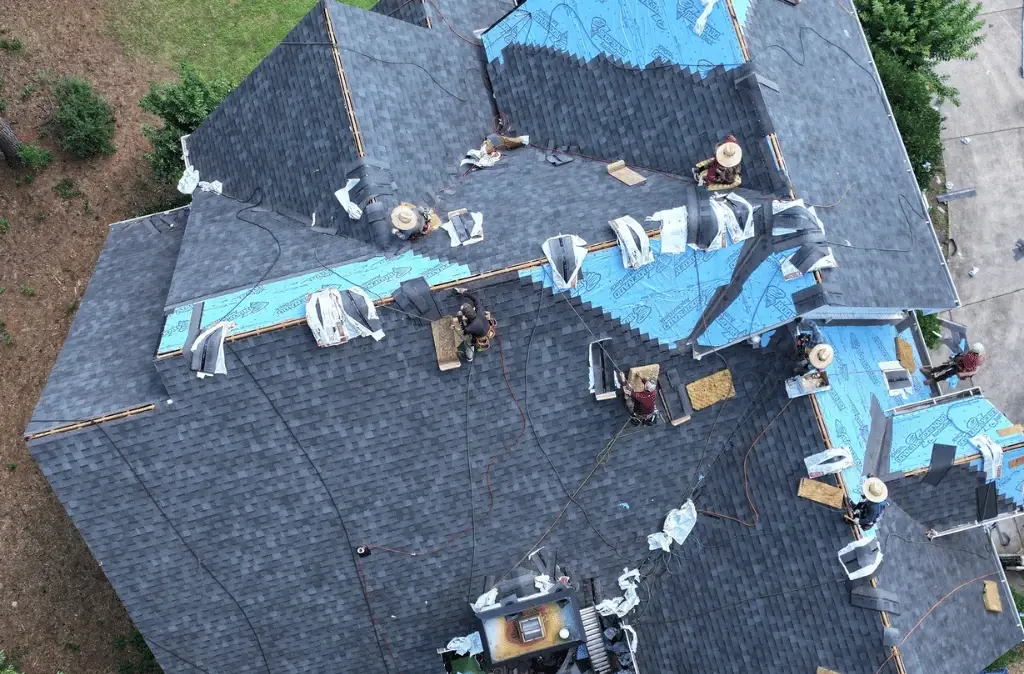
Storms can move through Athens without much warning. Heavy rain, strong wind, and hail can leave behind damage that is easy to miss from the ground. Scheduling a storm damage roof inspection in Athens, GA, soon after severe weather helps you catch problems before they become expensive repairs.
Why Every Homeowner Should Schedule a Roof Inspection After a Storm
Georgia experiences some of the country’s most active severe weather. Between 1980 and 2024, the state recorded 134 confirmed weather and climate disasters that each caused more than $1 billion in damages. During the same period, Georgia also experienced 68 severe storm events, showing just how often homeowners face weather-related risks for their roofs.
Even when your roof looks fine from the driveway, hidden damage may already be there. Wind can loosen shingles without tearing them away. Hail can weaken roofing materials without leaving obvious marks. Water can slowly work its way beneath the surface and reach the roof deck before you notice a stain inside your home.
A free roof inspection Athens, GA storm damage service can identify these hidden issues before they turn into major repairs. Finding problems early often reduces repair costs and helps prevent moisture from damaging insulation, ceilings, and structural wood.
Many homeowners wait until they notice a leak before calling a roofing contractor. Unfortunately, that delay usually allows the damage to spread. By the time water reaches your living space, repairs often involve much more than replacing a few shingles.
Why Small Roof Problems Become Bigger Repairs
Storm damage rarely stays in one place. Asphalt shingles damage allows rainwater to enter beneath the roofing system. Over time, that moisture can affect the decking, attic insulation, and even interior drywall. That is why a post-storm roof checkings in Athens should happen as soon as the weather clears. A professional inspection can uncover damage that most homeowners cannot safely see from the ground.
What High Winds Can Do to Your Roof
Strong winds often cause more roof damage than homeowners realize. During the April 2026 storms, wind gusts reached 45 to 77 mph across affected areas. Winds at those speeds place significant pressure on roofing systems, especially along the roof edges, ridges, and corners where shingles are most exposed.
A wind damage roof inspection in Athens focuses on these high-risk areas first. Roofing professionals know that even one loose shingle can allow water to work beneath the surface during the next rainfall. From the ground, look for shingles that are missing, curled, cracked, or sitting out of place.
These are common signs that strong winds have weakened the roof’s protective layer. Also pay attention to loose flashing around chimneys, skylights, and roof vents because these areas are common entry points for water.
Some problems are harder to recognize. A shingle may lift during a storm and settle back into position after the wind stops. While it may appear normal, the seal underneath can already be broken. Once that seal fails, rainwater can slowly seep underneath the roofing system and create hidden moisture damage.
Inside your home, check ceilings and attic spaces for water stains or damp insulation. These are often the first visible signs of roof damage after storm in Athens and should never be ignored. The sooner these issues are identified, the easier they are to repair.

How Hail Damage Can Shorten Your Roof's Life
Hailstorms are common across Georgia during the spring and summer months. Although most storms last less than 15 minutes, they can leave lasting damage behind. A hail damage roof in Athens, GA inspection looks beyond obvious dents.
Hail can knock protective granules off asphalt shingles, leaving the surface exposed to sunlight, heavy rain, and changing temperatures. Those missing granules reduce the roof’s ability to protect your home over time.
Inspect your gutters after a storm. Large amounts of shingle granules collecting inside the gutters or around the downspouts often indicate hail damage. You should also look for dents on metal flashing, roof vents, and other exterior metal surfaces because these areas usually show hail impacts first.
Asphalt shingles that lose their protective coating may continue to deteriorate long after the storm has passed. That is why homeowners should not rely on a visual inspection from the driveway alone. A professional evaluation helps determine whether the roof needs minor repairs or more extensive work before future storms create even bigger problems.
Standing Water Can Lead to Hidden Roof Damage
Heavy rain is common during Georgia’s storm season. When water cannot drain properly, it creates problems that may not be visible right away. Low spots on the roof can hold water longer than expected, while clogged drainage systems prevent rain from flowing away from the home.
A roof leak inspection in Athens, GA, becomes important if you notice water stains on ceilings or damp spots in the attic after a storm. Even a small amount of trapped moisture can damage the roof deck, insulation, and drywall if it is left untreated.
Take a close look at your gutters and downspouts after every major storm. If they are filled with leaves, branches, or roofing granules, rainwater can back up beneath the shingles instead of draining away. Cleaning them regularly helps reduce the risk of leaks and extends the life of your roofing system.
Storm Debris Can Cause More Damage Than You Expect
Strong storms often leave tree branches and other debris on rooftops. While large limbs usually get immediate attention, smaller branches can also create problems if they remain in place.
Debris traps moisture against the roof surface and may scrape or crack shingles over time. Sharp branches can damage flashing or loosen sections of the roof during high winds. So perform a flashing inspection as well.
Even if there is no visible puncture, the impact may weaken the surrounding roofing materials. Walk around your property after the storm has passed. Look for fallen branches, damaged fences, broken outdoor furniture, or dents on air conditioning units. These signs often indicate that your roof experienced the same storm conditions.
Roof Storm Damage Checklist
A careful inspection after severe weather helps you identify problems before they become expensive repairs. Use this roof storm damage checklist to evaluate your home safely from the ground.
Check the Roof from a Safe Distance
Never climb onto a wet or damaged roof after a storm. Walk around your home with binoculars and inspect the roof from different angles. Look for:
1. Missing shingles
2. Lifted shingles
3. Cracked shingles
4. Damaged flashing
5. Sagging roof sections
6. Exposed underlayment
Inspect the Gutters and Exterior
Examine the gutters for excessive shingle granules, dents, or loose sections. Check siding, windows, vents, and trim for signs of storm impact. Damage in these areas often points to roof damage as well.
Check the Attic
Your attic can reveal problems long before water reaches your living space. Look for:
1. Water stains on the roof decking
2. Wet insulation
3. Mold or mildew
4. Daylight coming through the roof
5. Active drips during rainfall
These warning signs should never be ignored because moisture can spread quickly throughout the home.
Document Everything Before Filing an Insurance Claim
Take clear photographs of every visible issue. Record the date of the storm and keep notes about what you found during your inspection. If your roof has sustained significant damage, a contractor can provide documentation that supports an insurance claim for roof damage in Athens. Detailed records make it easier for your insurance company to evaluate the condition of your roof and process your claim.
Understanding Your Roof Repair Payment Options
Storm damage can range from a few missing shingles to extensive structural repairs. Knowing your payment options helps you make an informed decision without unnecessary delays.
Payment Option | Best Used For | What You Need to Know |
Homeowner’s Insurance | Sudden wind or hail damage covered by your policy | Proper documentation and a professional inspection improve the claims process. Deductibles may apply. |
Out-of-Pocket Payment | Minor repairs that cost less than your deductible | You avoid filing a claim, but you are responsible for the full repair cost. |
Contractor Financing | Larger repairs that insurance does not fully cover | Financing spreads payments over time, although interest rates and terms vary by contractor. |

Choosing the Right Roofing Contractor in Athens, GA
Finding the right roofing company is just as important as identifying the damage. After major storms, many temporary contractors travel into affected areas looking for quick projects. While some are legitimate, others disappear once the work is finished.
Choose a local contractor with a strong reputation in the community. Ask about experience with storm-related repairs, warranties, insurance assistance, and recent customer references. A reliable contractor should explain the inspection findings clearly and provide a written estimate before any work begins.
Georgia has a unique licensing system for roofing contractors. Traditional contractors are generally exempt from holding a state residential and general contractor license, but they must still follow local building codes. Because of this, homeowners should also consider factors such as Better Business Bureau accreditation, verified reviews, years of local experience, and the quality of previous projects.
When Emergency Repairs Cannot Wait
Some roof damage requires immediate attention. If a tree limb has punctured the roof or water is actively entering your home, delaying repairs can lead to more extensive structural damage. An emergency roof repair in Athens, GA, can secure the damaged area with temporary protection until permanent repairs are completed. Quick action helps reduce additional water intrusion and protects your home’s interior from further damage.
Final Thoughts on Storm Damage Roof Inspection in Athens, GA
Summer storms are part of life in Georgia, but hidden roof damage should never be ignored. Missing shingles, damaged flashing, clogged gutters, and interior water stains are all signs that your roof deserves a closer look. Scheduling a storm damage roof inspection in Athens, GA, gives you a clear understanding of your roof’s condition before small issues become expensive repairs.
At Atlas Roofing & Restoration, we are a local roofing company proudly serving the people of Athens, GA. We are an Accredited Business with the Better Business Bureau and currently hold an A rating. Our team offers free roof inspections and backs every completed roofing project with a 10 Year warranty because we believe our customers deserve lasting peace of mind.
Frequently Asked Questions
What Should I Check on My Roof After a Storm in Athens, GA?
After a storm, look for missing or lifted shingles, damaged flashing, dents on gutters, and fallen tree branches. You should also check your attic and ceilings for water stains or signs of leaks. If you notice anything unusual, contact Atlas RNR for a storm damage roof inspection in Athens, GA.
How Do I Know If My Roof Has Storm Damage in Athens?
Storm damage is not always easy to spot from the ground. You may notice missing shingles, loose roofing materials, water stains on your ceiling, or granules collecting in your gutters. If you are unsure, we recommend scheduling a storm damage roof inspection in Athens, GA.
Can I Inspect My Own Roof for Storm Damage?
You can perform a basic inspection from the ground using binoculars, but we do not recommend climbing onto your roof. Storm-damaged roofs can be unsafe to walk on. Instead, let our team handle the inspection. We provide a free roof inspection in Athens, GA, to safely identify any damage and recommend the right solution.